
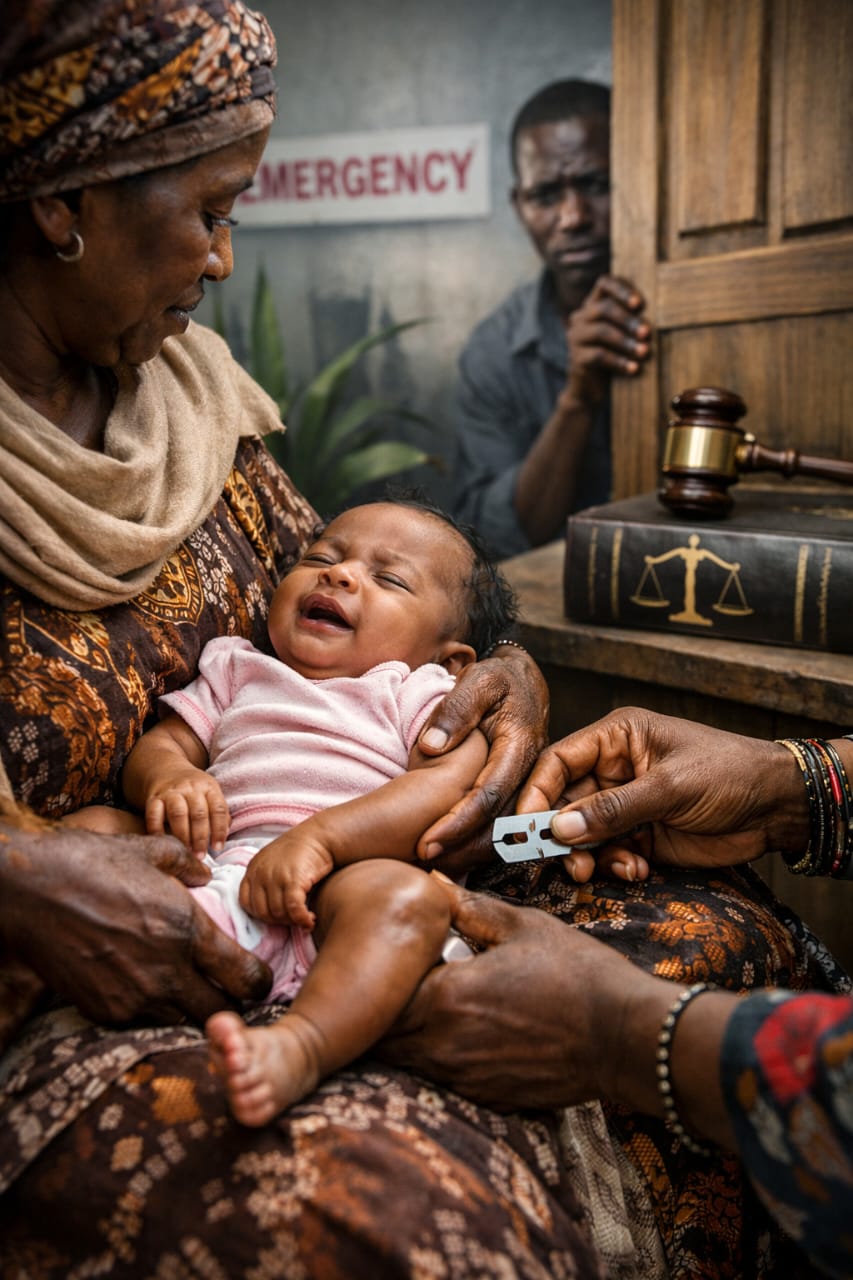
In an interview on March 28, 2026, Touray explained that all three of her daughters underwent circumcision without immediate complications. She emphasised that she avoids more severe forms, such as “sealing”, and ensures the procedure is done in a clean environment.
Yet, according to the World Health Organisation, all forms of FGM can lead to serious long-term consequences, including chronic pain, infections, childbirth complications, and psychological trauma—many of which may not appear immediately after the procedure.
Touray supports the growing trend towards medicalisation, in which the practice is carried out by trained health professionals in clinics. However, this approach has been explicitly rejected by both the World Health Organisation and UNICEF, which warn that medicalising FGM does not reduce harm but instead legitimises and prolongs the practice.
Data from UNICEF indicates that even when performed in clinical settings, FGM still results in lifelong physical and emotional harm, reinforcing that the issue is not just the method—but the act itself.
The persistence of FGM in communities like Gunjur is often driven by social pressure rather than informed choice. Touray acknowledged that fear of stigma and rejection pushes many families to conform.
National data shows that approximately 73% of women aged 15–49 in The Gambia have undergone FGM, reflecting how deeply embedded the practice remains. Yet, there is a growing shift: survivors, activists, and community leaders are increasingly speaking out against it, citing the health risks and human rights violations involved.
Touray also described carrying out the procedures in secret, without informing her husband beforehand—an indication of how the practice has moved underground following the 2015 ban under the Women’s Amendment Act. Experts warn that this secrecy may increase risks, as procedures are often performed on younger girls, sometimes infants, with little access to follow-up care.
Despite claims that FGM is a religious obligation, many Islamic scholars in The Gambia have clarified that it is not a requirement of Islam. Human rights organisations emphasise that the practice violates the rights of girls and women, regardless of cultural justification.
While Touray’s perspective reflects the lived realities and pressures many mothers face, evidence suggests that improving the method does not eliminate harm. Increasingly, the national and global consensus is shifting toward total abandonment, focusing on education, community dialogue, and protection of girls’ rights rather than modification of the practice.
This story is part of the "Breaking the Silence: Voices of FGM Survivors" podcast funded by the Foundation for Women's Health, Research and Development (FORWARD UK).
Author: Nelson Manneh
PC: AI-Generated
Comments (0)
No comments yet. Be the first to comment!