
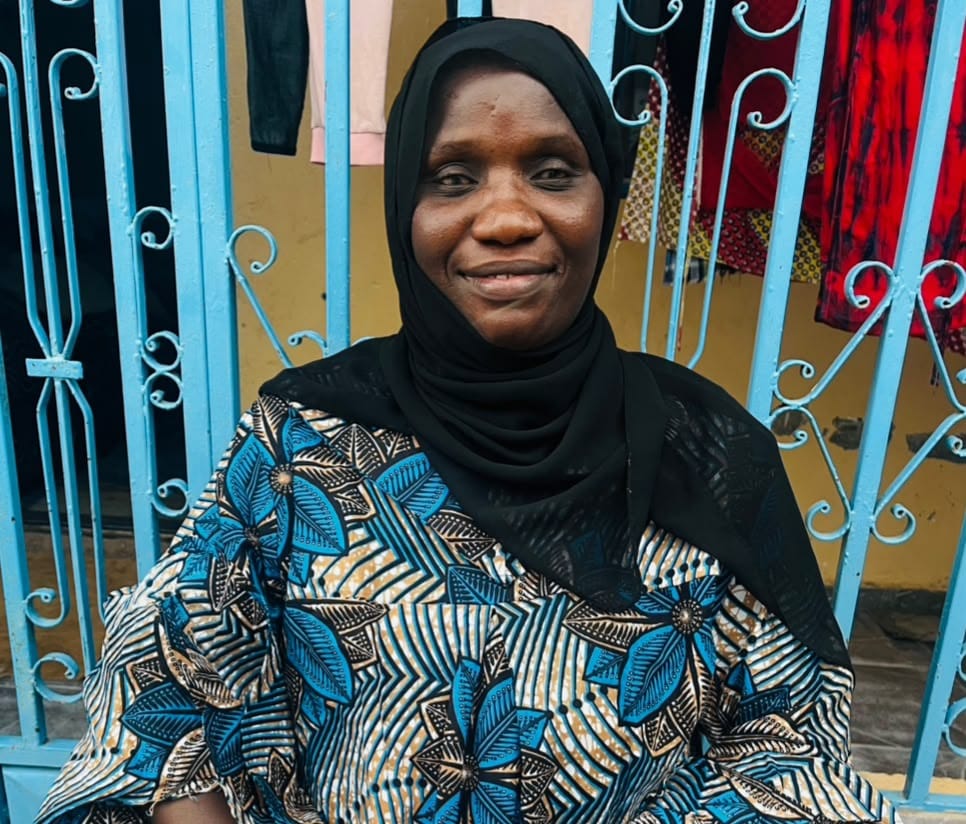
For Yassin Manga, however, the decision is clear: she will not allow her daughter to undergo FGM.
Speaking to this medium in August 2026, Yassin stated, “I have not gone through female genital mutilation, so I won’t allow my daughter to go through the practice.”
Standing Firm Against Pressure
Yassin acknowledges that resisting FGM is not always easy. She notes that parents who choose not to circumcise their daughters can encounter negative comments and pressure from those around them.
For some families, the fear of being judged can become so overwhelming that they eventually give in to societal expectations.
But Yassin believes that social pressure should never dictate what happens to a child.
“Stay firm and do what you believe is right for your child,” she advises. “If anyone insults you, just let them be. Anything that is not good is not good.”
Her own experience has reinforced her conviction. Yassin did not undergo FGM and has not faced any complications associated with the practice.
“As a mother, I didn’t go through the practice, and nothing has happened to me. I don’t have any problems, nor do I have any complications,” she shares.
Therefore, she sees no reason for her daughter to undergo FGM to become a healthy woman or mother.
“I don’t see any importance in the practice of female genital mutilation,” she asserts.
Tradition and Social Pressure
Yassin believes that Female Genital Mutilation (FGM) continues in some communities due to tradition, limited awareness, and social pressure. She is particularly concerned about infibulation, which involves narrowing the vaginal opening after cutting.
“Some mothers take their daughters for FGM, and others then seal them, which is very painful,” she says.
In Yassin's view, tradition cannot justify subjecting children to pain.
She believes that parents need information and support to understand that protecting their daughters does not mean following every practice inherited from previous generations.
A Call for Stronger Protection
Yassin also believes the government has a crucial responsibility to protect girls from FGM. “I know there is a law banning FGM in The Gambia, and I support the law,” she states.
“FGM should be banned so that women will be free.” She insists that laws must be enforced and that those who subject children to FGM should face consequences.
Her concern is particularly focused on girls who have little or no power to make decisions about their own bodies.
For her, a child should not be forced to undergo a practice simply because adults consider it necessary.
Men and Religious Leaders Must Speak Up
Yassin believes that the fight against female genital mutilation (FGM) should not be left to women alone. Men, fathers, and religious leaders must also take a stronger stance against this practice. She is particularly concerned when religion is used to justify FGM.
“If it is considered a religious obligation, they should still take a stand against it,” she says. “In my view, FGM is a harmful practice.”
Yassin argues that communities need to engage in open conversations about practices that affect girls and women, especially when those practices can cause pain or lasting harm.
A Message to Mothers: As a mother herself, Yassin's strongest appeal is directed towards other women and mothers.
She understands that motherhood comes with its challenges, including childbirth; however, she firmly believes that girls should not be subjected to FGM in preparation for womanhood or motherhood.
“My advice to my fellow women is that giving birth is painful,” she states. “Let them be careful. Having children is far better than allowing them to undergo this practice.”
Her message ultimately revolves around choice, protection, and courage. Yassin is aware that refusing FGM may attract criticism, but she is prepared to stand firm.
Her experience of growing up without the practice gives her the confidence to make a different choice for her daughter.
“Nobody will ever force me to allow my daughter to undergo FGM. I don’t see any reason or value in it,” she declares.
For Yassin, protecting her daughter means prioritising her safety over tradition, social approval, and fear of others’ judgement.
Her decision is clear: her daughter deserves the chance to grow up free from FGM.
This story is part of the "Breaking the Silence: Voices of FGM Survivors" podcast funded by the Foundation for Women's Health, Research and Development (FORWARD UK).
Author: Kaddy Sowe
PC: Yassin Manga
Comments (1)