
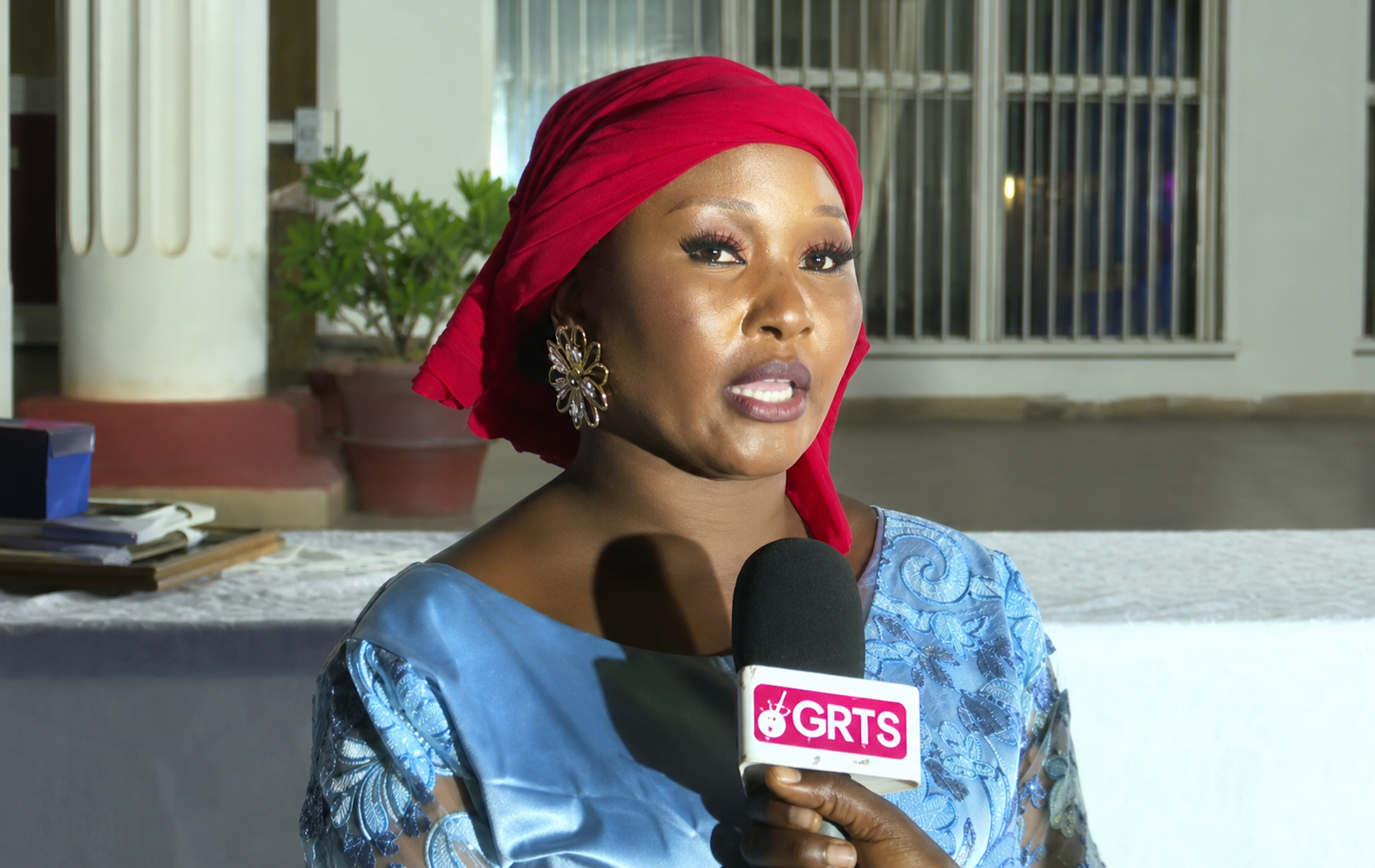
While The Gambia has made significant progress in protecting women and girls through legislation, she believes sustained media engagement, evidence-based reporting, and stronger partnerships remain essential to ending the harmful practice for good.
Speaking during an interview in July 2026, Jarju described FGM as a harmful traditional practice that has been passed down through generations despite overwhelming scientific evidence showing its devastating impact on the health and well-being of women and girls.
"The debate around FGM should be a thing of the past," she said. "We already have a law that protects women and children in The Gambia. There should be no effort to revive the practice or take us back to the old days of cutting and inflicting pain on women and girls."
She believes the country should build on the gains already made rather than revisit debates about repealing the law.
"What we should do as a nation is continue making progress in eliminating FGM and other harmful traditional practices," she said. "FGM has no place in our civilised society, and we should nurture and protect the law we already have."
The Health Consequences Cannot Be Ignored
.
Jarju stressed that years of medical research have established the harmful effects of FGM on women and girls, making it impossible to justify the practice on health grounds.
According to her, women who undergo FGM often suffer complications during childbirth, painful sexual intercourse, recurrent infections, and other lifelong physical and psychological consequences.
"As health journalists, our responsibility is to inform the public about these harmful effects," she explained. "The evidence is there, and we have a duty to communicate it accurately."
She believes public education remains one of the most effective tools for ending FGM, particularly among communities where the practice is deeply rooted in culture or religion.
"It is difficult for someone to stop doing something they have always believed is part of their religion or tradition," she said. "But today we have research and scientific evidence that clearly show how harmful FGM is. We should continue using that evidence to educate the public."
Jarju noted that encouraging signs are already emerging.
"We are seeing educated young mothers refusing to subject their daughters to FGM because they have been empowered with the right information," she said. "That tells us education works."
The Media's Critical Role
For Jarju, journalists occupy a unique position in shaping public opinion and influencing social change.
She believes media professionals should continue to report consistently on FGM despite criticism or fatigue from those who may consider the issue repetitive.
"Information is power," she said. "When people receive accurate information, they are better equipped to make informed decisions. Journalists should not relent."
However, she acknowledged that reporting on FGM comes with significant challenges.
One major obstacle is the shortage of financial resources needed to conduct in-depth reporting.
"Journalists often want to travel to communities, speak with survivors, and interview medical experts, but transportation and other logistical costs make that difficult," she explained. "Without adequate resources, many important stories remain untold."
Another challenge, she said, lies within newsrooms themselves.
"Some journalists still have personal beliefs that influence how they report on FGM," Jarju noted. "If a journalist does not believe the practice is harmful, it becomes difficult for them to report objectively."
She emphasised that newsroom editors also play a decisive role in determining how stories are presented.
"A reporter may fully understand the issue, but if the editor has different views, the story can be changed entirely," she said. "That is why we need capacity-building not only for reporters but also for editors."
Building Stronger Media Capacity
Jarju believes continuous training is essential if journalists are to report accurately and responsibly on FGM.
She called for more sensitisation workshops and professional development programmes that equip media practitioners with scientific knowledge, legal understanding, and ethical reporting skills.
"Before you can change other people's minds, you must first be convinced yourself," she said.
She also urged development partners to invest more resources in media engagement.
Beyond training, she called for financial support to facilitate field reporting, survivor interviews, and expert discussions.
"We also need resources to purchase airtime from media houses," she explained. "Many organisations provide health programmes as part of their corporate social responsibility, but that alone is not enough if we want sustained public awareness."
Confidence in the Law
As discussions continue around legal challenges to The Gambia's FGM law, Jarju remains optimistic that the country's legal framework will continue protecting women and girls.
"I am not sure the law will be repealed because The Gambia would undermine its international reputation," she said.
She pointed out that the country has ratified international human rights treaties that require the protection of women and children.
"The Supreme Court has a responsibility to protect the lives and rights of Gambians," she said. "Our Constitution, the Women's Act, and the Children's Act all contain provisions protecting women and children from harmful practices."
She also urged the judiciary to respect international legal obligations, including the Convention on the Elimination of All Forms of Discrimination against Women (CEDAW), alongside national laws.
"I remain optimistic that the Supreme Court will do the right thing by protecting our Constitution and the laws that safeguard women and girls."
Putting Survivors at the Centre
Jarju believes media reporting should increasingly focus on survivor experiences and medical evidence rather than general statements condemning FGM.
"In the past, we simply said FGM is bad," she explained. "Now people ask for evidence. Fortunately, hospitals and research institutions have that evidence."
She urged journalists to collaborate closely with survivor advocates willing to share their experiences publicly.
"There are warrior survivors who are ready to speak," she said. "We should give them that platform."
Although acknowledging that stigma still discourages many survivors from speaking publicly, she believes documenting their experiences can help transform public attitudes.
"Sitting down with survivors and listening to their stories is important," she said. "Sharing those experiences cannot erase what happened, but it can help prevent it from happening to future generations."
Partnerships Driving Progress
Jarju credited several organisations for strengthening the capacity of health journalists to report effectively on FGM.
She highlighted training and support provided by organisations including GAMCOTRAP, Shine Light, Girls' Education initiatives, Paradise Foundation, and other partners working to eliminate harmful practices.
"These programmes have helped many of our members improve their reporting," she said. "But we need even stronger partnerships so that more journalists can be equipped with the knowledge and resources they need."
She encouraged organisations working on FGM to continue collaborating with the Association of Health Journalists to sustain public awareness efforts.
Keeping the Conversation Alive
Despite occasional criticism that journalists devote too much attention to FGM, Jarju insists the issue deserves continued media focus because of its far-reaching consequences.
"People sometimes ask whether this is the only issue we care about," she said. "But FGM remains one of the most critical health issues affecting women and girls."
She believes persistent reporting will ultimately contribute to ending the practice.
"I encourage journalists to continue highlighting the harmful effects of FGM," she concluded. "We must keep the conversation alive because information has the power to change attitudes, protect girls, and save lives."
This story is part of the "Breaking the Silence: Voices of FGM Survivors" podcast funded by the Foundation for Women's Health, Research and Development (FORWARD UK)
Author: Halimatou Ceesay
PC: Sally Jarju
Comments (0)
No comments yet. Be the first to comment!