
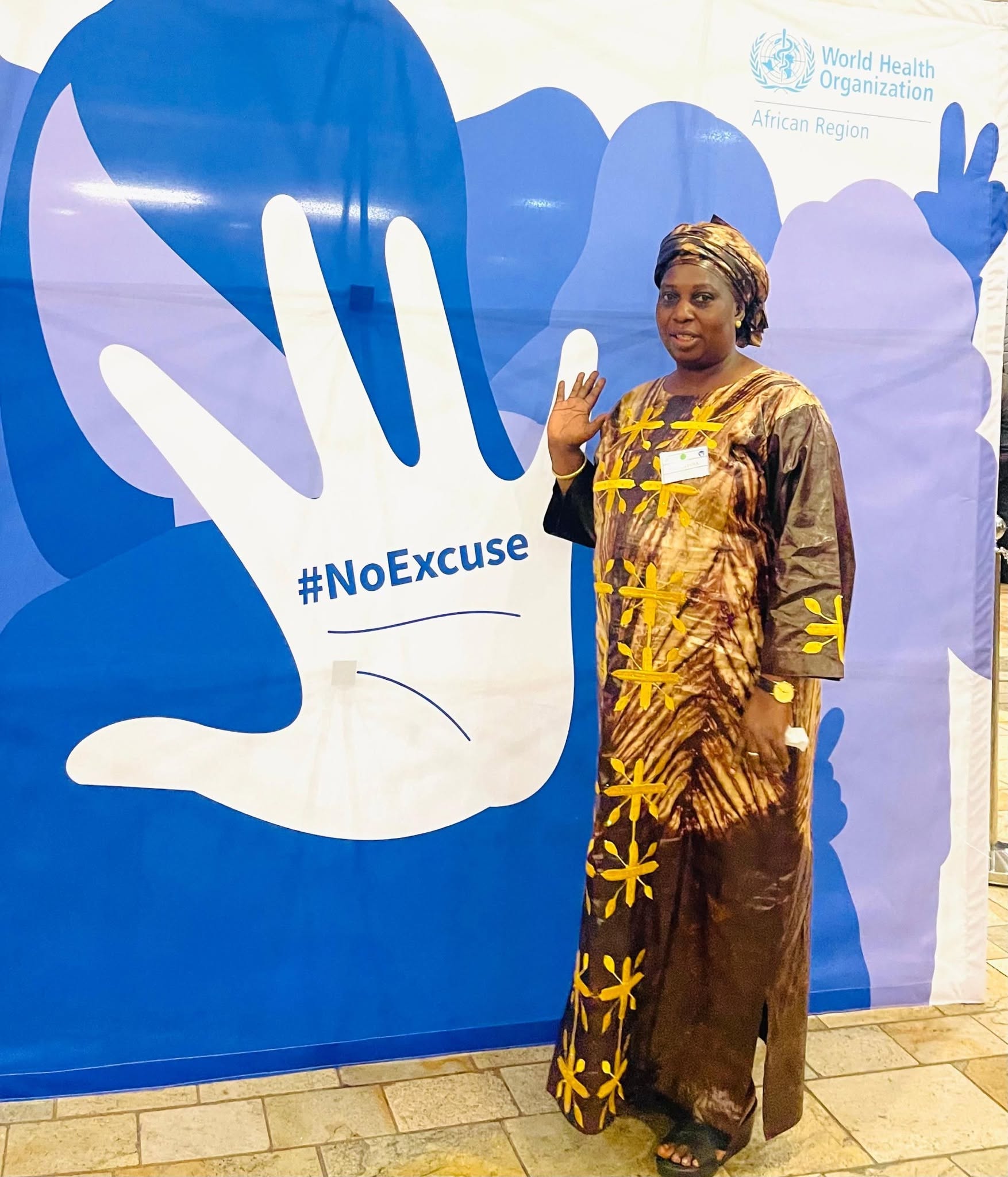
Speaking to this medium in her office on 10 July 2026, Fatou Camara, a reproductive health specialist working with the Ministry of Health’s Reproductive, Maternal, Neonatal, Child and Adolescent Health (RMNCA) Programme, warns that repealing the FGM ban could expose more girls and women to serious health complications that may begin in childhood and continue throughout their reproductive years and beyond.
“The health implications if the law is repealed are numerous, from childhood up to old age,” Camara explained. “The part that is removed is a very sensitive part of the woman’s body, and it plays an important role in the reproductive system.”
According to Camara, the removal of the clitoris during FGM can damage sensitive nerve endings and result in long-term complications. One of the conditions women may experience is neuroma, a painful nerve complication that can cause persistent irritation and uncomfortable sensations.
“A woman may develop a constant pricking sensation around that area. It can become a health issue because even wearing tight clothing can become painful and irritating,” she said.
Childhood Trauma and Psychological Effects
Beyond physical injuries, Camara emphasised that the psychological consequences of FGM can begin immediately after the procedure.
Many girls undergo FGM at a young age, often in circumstances where they have little or no ability to consent. The fear, pain, and trauma associated with the procedure can affect their emotional well-being.
“When a girl goes through such a traumatic experience, it can have psychological effects that stay with her,” Camara said.
She explained that health professionals often categorise FGM complications into immediate, short-term, and long-term effects, with each stage presenting different risks.
Immediate Health Risks: Bleeding, Infection and Severe Injuries
One of the most dangerous immediate complications of FGM is severe bleeding.
Camara explained that the female genital area contains many blood vessels and sensitive nerve endings. If the procedure is performed without proper anatomical knowledge, major blood vessels can be cut, leading to excessive bleeding.
“If they cut into the big arteries, repairing that at the community level is almost impossible. Some children can bleed to death, develop severe anaemia, or go into shock before they receive medical attention,” she said.
Another major concern is infection.
Because FGM is often performed using unsafe and unsterile methods, girls may develop infections that can affect their reproductive health later in life.
“The infections can follow the person into adulthood. Because of the female anatomy, infections can move upwards into the reproductive system, and if they are not treated, they can lead to infertility,” Camara explained.
She stressed that some women who experience fertility problems later in life may have complications that began from infections acquired during childhood FGM.
Long-Term Effects on Menstruation and Reproductive Health
Camara also highlighted complications related to menstruation, particularly among girls who undergo forms of FGM that involve narrowing or sealing the vaginal opening.
“When menstruation starts, blood needs to come out. But if there is only a small opening, the blood can become trapped inside the body,” she explained.
She said some girls experience severe menstrual pain, miss school, and require medical interventions because menstrual blood accumulates inside the uterus.
“In some cases, when they come to health facilities, they may look like they are pregnant because their abdomen is enlarged, but it is actually blood that has accumulated because it cannot flow out,” she said.
These complications, she noted, can affect girls’ education, emotional wellbeing, and quality of life.
FGM Complicates Childbirth and Endangers Mothers and Babies
One of the most serious concerns raised by Camara is the impact of FGM on childbirth.
She explained that scar tissue caused by FGM does not stretch in the same way normal tissue does during delivery. This can make childbirth difficult and increase the likelihood of medical procedures such as episiotomy—a surgical cut made to widen the vaginal opening during delivery.
“The scar cannot stretch properly, so we have to cut medically to allow the baby to come out. After delivery, some women struggle even to sit because of the pain,” she said.
The complications do not only affect mothers. Camara warned that prolonged and difficult labour can also affect babies.
“When a baby’s head is under pressure for a long time during difficult delivery, it can affect parts of the brain responsible for development. Sometimes people may think it is a spiritual problem, but it can be linked to complications during childbirth,” she explained.
Financial Burden on the Health System
Beyond the human suffering, Camara said FGM places additional financial pressure on The Gambia’s healthcare system.
When women arrive at hospitals with FGM-related complications, the government must provide medication, surgical materials, blood transfusions, and other medical support.
“The money used to treat these complications could have been used for other important health programmes that benefit women and girls,” she said.
She explained that even basic medical supplies used during treatment carry costs.
“If you calculate the cost of needles, sutures, medication, and other materials used for every woman needing care, the amount becomes enormous. That money could support prevention and other healthcare priorities,” she added.
The Importance of Maintaining the Ban
Camara acknowledged that the existence of the FGM law has contributed to increased awareness among communities about the dangers of the practice. However, she warned that repealing the law could encourage continued practice and push it underground.
“When people continue doing it secretly, complications may reach health facilities late. By the time some women arrive, there may be little we can do,” she said.
She urged lawmakers to maintain the ban, arguing that legislation, combined with education and community engagement, can help end FGM over time.
“My message to lawmakers is that they should stand firm on the promise they made to protect the ban,” Camara said. “They are not only protecting a law; they are protecting the health of women and girls in this country.”
For Camara, ending FGM is not only a human rights issue—it is a public health priority. She believes that with continued awareness, stronger protection, and community support, the practice can eventually become part of history rather than a continuing threat to future generations.
This story is part of the "Breaking the Silence: Voices of FGM Survivors" podcast funded by the Foundation for Women's Health, Research and Development (FORWARD UK).
Author: Halimatou Ceesay
PC: Fatou Camara
Comments (0)
No comments yet. Be the first to comment!